Bassett Tree Service Blog
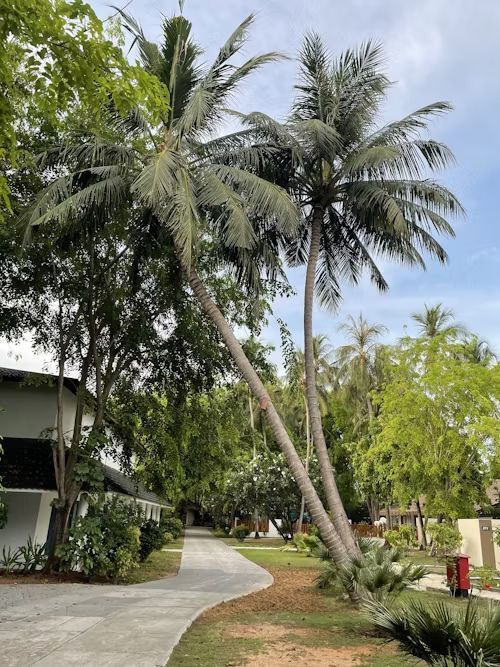
A damaged or declining tree can become a serious safety hazard. Problems involving the trunk, branches, roots, or overall stability can increase the likelihood of falling limbs or complete tree collapse. Recognizing warning signs early gives property owners an opportunity to have the tree professionally evaluated and address potential hazards before someone gets hurt or property is damaged. At Bassett Tree Service, we provide expert hazardous tree removal in the greater Mesa, AZ area. Here are four warning signs that a tree may be posing a safety risk. Cracks in the Trunk or Major Limbs Deep cracks or splits in the trunk or large branches may indicate that the tree's structure has been weakened. Cracks can develop because of issues such as storms, heavy loads, and disease. Some cracks may worsen over time and increase the likelihood of a branch or trunk splitting. Because structural damage can be difficult to evaluate from the ground, professional assessment is recommended when significant cracks are present. Significant Leaning A tree that has developed a new or worsening lean may be at increased risk of falling. While some trees naturally grow at an angle, sudden changes in the direction of growth can indicate root damage, soil movement, or structural instability. A tree leaning toward a home, parking area, walkway, or other frequently used space deserves prompt professional attention. Large Dead Branches Dead branches can become brittle and break suddenly, particularly during stormy weather. Large dead limbs located over driveways, sidewalks, patios, or structures are especially concerning. Hanging or partially broken branches can also fall without much warning. Regularly inspecting the canopy and having hazardous limbs professionally removed can reduce the risk of falling branches. Signs of Decay or Disease Fungal growth, cavities, peeling bark, unusual discoloration, and significant areas of dead wood can indicate decay or disease. Internal deterioration may weaken the tree even when the exterior appears relatively intact. If decay is affecting major structural portions of the tree, the risk of collapse may increase. An experienced arborist can evaluate the tree and determine whether pruning, treatment, monitoring, or removal is appropriate. Tree Removal in Mesa, AZ For expert tree removal in Mesa, AZ and the surrounding area, contact Bassett Tree Service at 480-745-2290 . Feel free to give us a call to request an arborist estimate in Mesa, Phoenix, and the surrounding area!

When a tree dies or begins to decline beyond recovery, it can quickly turn into a safety hazard. Dead and dying trees are more likely to drop branches or collapse during storms, putting people, homes, vehicles, and utility lines at risk. Knowing the warning signs can help you act before a dangerous situation develops. At Bassett Tree Service, we specialize in tree removal in the greater Mesa, AZ area. Here are four signs that a tree may be dead or dying and should be evaluated by an arborist. Extensive Dead Branches Throughout the Canopy One of the clearest indications of a dying tree is the presence of numerous dead branches throughout the canopy. While it's not necessarily concerning for a tree to lose an occasional limb, widespread deadwood often signals that the tree is no longer healthy. Brittle branches without leaves during the growing season may indicate that the tree is in serious decline. Dead branches can fall unexpectedly and should be addressed promptly. Peeling or Missing Bark Large sections of peeling, cracked, or missing bark can be a warning sign of disease or severe stress. If significant portions of the trunk are bare or the underlying wood appears dry and discolored, the tree may no longer be able to transport water and nutrients effectively. Extensive bark loss often accompanies internal decay and should be inspected by an arborist. Large Cracks/Cavities Deep cracks in the trunk, large cavities, and hollow sections weaken a tree's structural integrity. While some trees can survive with small cavities, extensive decay inside the trunk greatly increases the likelihood of failure. These issues are especially concerning if the tree is located near buildings, driveways, sidewalks, or other frequently used areas. Fungal Growth Around the Base The appearance of fungal growth near the trunk or root flare may indicate internal decay or root rot. Fungi feed on decaying wood, and their presence often suggests that the tree's structural support system has been compromised. Root damage is particularly dangerous because it reduces the tree's stability and increases the risk of collapse during strong winds or heavy rain. Tree Removal in Mesa, AZ For expert tree removal in Mesa, AZ and the surrounding area, contact Bassett Tree Service at 480-745-2290 . Feel free to give us a call to ask for an arborist estimate in Mesa, Phoenix, and the surrounding area!

Healthy trees are remarkably resilient, but certain issues can make them far more vulnerable to failure in strong winds. A tree that blows over can cause significant damage to homes, vehicles, fences, power lines, and other property. By recognizing warning signs early, property owners can take proactive steps to reduce the risk of storm-related damage. At Bassett Tree Service, we provide hazardous tree removal in the greater Mesa, AZ area. Here are four signs that a tree may be more likely to blow down in high winds. A Noticeable Lean While some trees naturally grow at an angle, a tree that has recently developed a lean or appears to be leaning more than it once did may have stability problems. A sudden lean can indicate root damage, shifting soil, or structural weakness. Trees that lean significantly are often at a higher risk of toppling during strong winds. Root Damage/Exposed Roots A tree's root system provides the foundation that keeps it securely anchored in the ground. Construction work, soil erosion, trenching, and other disturbances can damage roots and reduce stability. Exposed roots, heaving soil, and fungal growth near the base of the tree may indicate underlying root problems that increase the risk of failure. Cracks or Cavities in the Trunk Deep cracks and large cavities can weaken the structural integrity of a tree. Even if the tree appears healthy from a distance, internal decay or trunk damage may compromise its ability to withstand severe weather. Trees with visible trunk problems should be evaluated promptly. Significant Canopy Decline Sparse foliage, dead sections of canopy, premature leaf loss, or other signs of decline may indicate disease, pest infestations, or other health issues. Weakened trees are often less capable of handling the stress created by strong winds. Hazardous Tree Removal in Mesa, AZ For expert tree removal in Mesa, AZ and the surrounding area, contact Bassett Tree Service at 480-745-2290 . Feel free to give us a call to ask for an arborist estimate in Mesa, Phoenix, and the surrounding area!
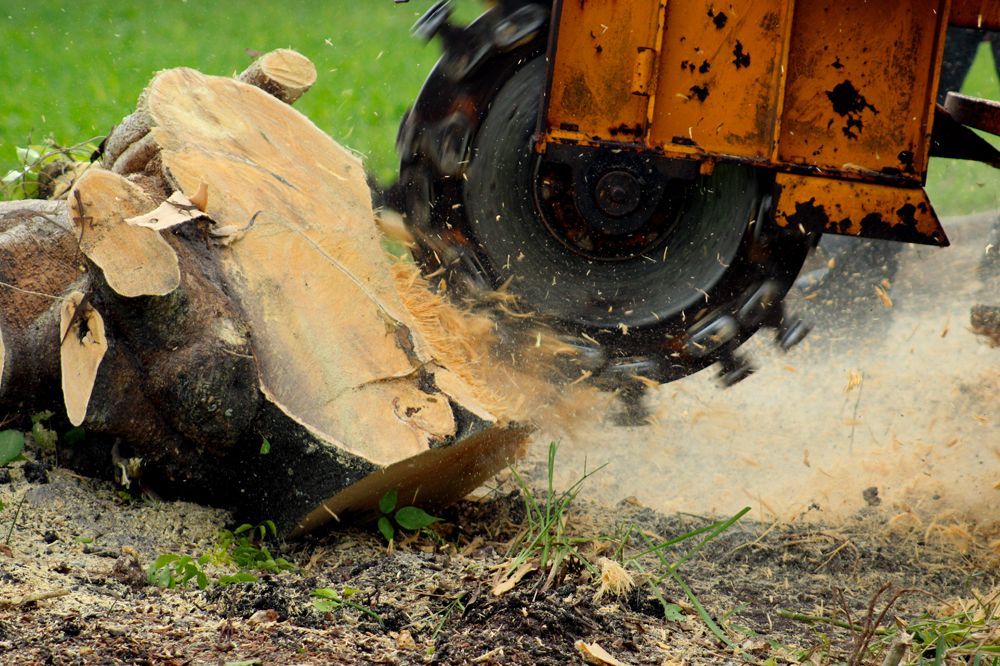
Get answers to common stump grinding & removal questions. Hire our experts for safe, efficient service. Contact Bassett Tree Service today!
Hire certified arborists for safe & effective tree pruning. Ensure your trees' health & beauty. Contact Bassett Tree Service today!
A damaged or declining tree can become a serious safety hazard. Problems involving the trunk, branches, roots, or overall stability can increase the likelihood of falling limbs or complete tree collapse. Recognizing warning signs early gives property owners an opportunity to have the tree professionally evaluated and address potential hazards before someone gets hurt or property is damaged. At Bassett Tree Service, we provide expert hazardous tree removal in the greater Mesa, AZ area. Here are four warning signs that a tree may be posing a safety risk. Cracks in the Trunk or Major Limbs Deep cracks or splits in the trunk or large branches may indicate that the tree's structure has been weakened. Cracks can develop because of issues such as storms, heavy loads, and disease. Some cracks may worsen over time and increase the likelihood of a branch or trunk splitting. Because structural damage can be difficult to evaluate from the ground, professional assessment is recommended when significant cracks are present. Significant Leaning A tree that has developed a new or worsening lean may be at increased risk of falling. While some trees naturally grow at an angle, sudden changes in the direction of growth can indicate root damage, soil movement, or structural instability. A tree leaning toward a home, parking area, walkway, or other frequently used space deserves prompt professional attention. Large Dead Branches Dead branches can become brittle and break suddenly, particularly during stormy weather. Large dead limbs located over driveways, sidewalks, patios, or structures are especially concerning. Hanging or partially broken branches can also fall without much warning. Regularly inspecting the canopy and having hazardous limbs professionally removed can reduce the risk of falling branches. Signs of Decay or Disease Fungal growth, cavities, peeling bark, unusual discoloration, and significant areas of dead wood can indicate decay or disease. Internal deterioration may weaken the tree even when the exterior appears relatively intact. If decay is affecting major structural portions of the tree, the risk of collapse may increase. An experienced arborist can evaluate the tree and determine whether pruning, treatment, monitoring, or removal is appropriate. Tree Removal in Mesa, AZ For expert tree removal in Mesa, AZ and the surrounding area, contact Bassett Tree Service at 480-745-2290 . Feel free to give us a call to request an arborist estimate in Mesa, Phoenix, and the surrounding area!
When a tree dies or begins to decline beyond recovery, it can quickly turn into a safety hazard. Dead and dying trees are more likely to drop branches or collapse during storms, putting people, homes, vehicles, and utility lines at risk. Knowing the warning signs can help you act before a dangerous situation develops. At Bassett Tree Service, we specialize in tree removal in the greater Mesa, AZ area. Here are four signs that a tree may be dead or dying and should be evaluated by an arborist. Extensive Dead Branches Throughout the Canopy One of the clearest indications of a dying tree is the presence of numerous dead branches throughout the canopy. While it's not necessarily concerning for a tree to lose an occasional limb, widespread deadwood often signals that the tree is no longer healthy. Brittle branches without leaves during the growing season may indicate that the tree is in serious decline. Dead branches can fall unexpectedly and should be addressed promptly. Peeling or Missing Bark Large sections of peeling, cracked, or missing bark can be a warning sign of disease or severe stress. If significant portions of the trunk are bare or the underlying wood appears dry and discolored, the tree may no longer be able to transport water and nutrients effectively. Extensive bark loss often accompanies internal decay and should be inspected by an arborist. Large Cracks/Cavities Deep cracks in the trunk, large cavities, and hollow sections weaken a tree's structural integrity. While some trees can survive with small cavities, extensive decay inside the trunk greatly increases the likelihood of failure. These issues are especially concerning if the tree is located near buildings, driveways, sidewalks, or other frequently used areas. Fungal Growth Around the Base The appearance of fungal growth near the trunk or root flare may indicate internal decay or root rot. Fungi feed on decaying wood, and their presence often suggests that the tree's structural support system has been compromised. Root damage is particularly dangerous because it reduces the tree's stability and increases the risk of collapse during strong winds or heavy rain. Tree Removal in Mesa, AZ For expert tree removal in Mesa, AZ and the surrounding area, contact Bassett Tree Service at 480-745-2290 . Feel free to give us a call to ask for an arborist estimate in Mesa, Phoenix, and the surrounding area!
Healthy trees are remarkably resilient, but certain issues can make them far more vulnerable to failure in strong winds. A tree that blows over can cause significant damage to homes, vehicles, fences, power lines, and other property. By recognizing warning signs early, property owners can take proactive steps to reduce the risk of storm-related damage. At Bassett Tree Service, we provide hazardous tree removal in the greater Mesa, AZ area. Here are four signs that a tree may be more likely to blow down in high winds. A Noticeable Lean While some trees naturally grow at an angle, a tree that has recently developed a lean or appears to be leaning more than it once did may have stability problems. A sudden lean can indicate root damage, shifting soil, or structural weakness. Trees that lean significantly are often at a higher risk of toppling during strong winds. Root Damage/Exposed Roots A tree's root system provides the foundation that keeps it securely anchored in the ground. Construction work, soil erosion, trenching, and other disturbances can damage roots and reduce stability. Exposed roots, heaving soil, and fungal growth near the base of the tree may indicate underlying root problems that increase the risk of failure. Cracks or Cavities in the Trunk Deep cracks and large cavities can weaken the structural integrity of a tree. Even if the tree appears healthy from a distance, internal decay or trunk damage may compromise its ability to withstand severe weather. Trees with visible trunk problems should be evaluated promptly. Significant Canopy Decline Sparse foliage, dead sections of canopy, premature leaf loss, or other signs of decline may indicate disease, pest infestations, or other health issues. Weakened trees are often less capable of handling the stress created by strong winds. Hazardous Tree Removal in Mesa, AZ For expert tree removal in Mesa, AZ and the surrounding area, contact Bassett Tree Service at 480-745-2290 . Feel free to give us a call to ask for an arborist estimate in Mesa, Phoenix, and the surrounding area!
Get answers to common stump grinding & removal questions. Hire our experts for safe, efficient service. Contact Bassett Tree Service today!
Hire certified arborists for safe & effective tree pruning. Ensure your trees' health & beauty. Contact Bassett Tree Service today!
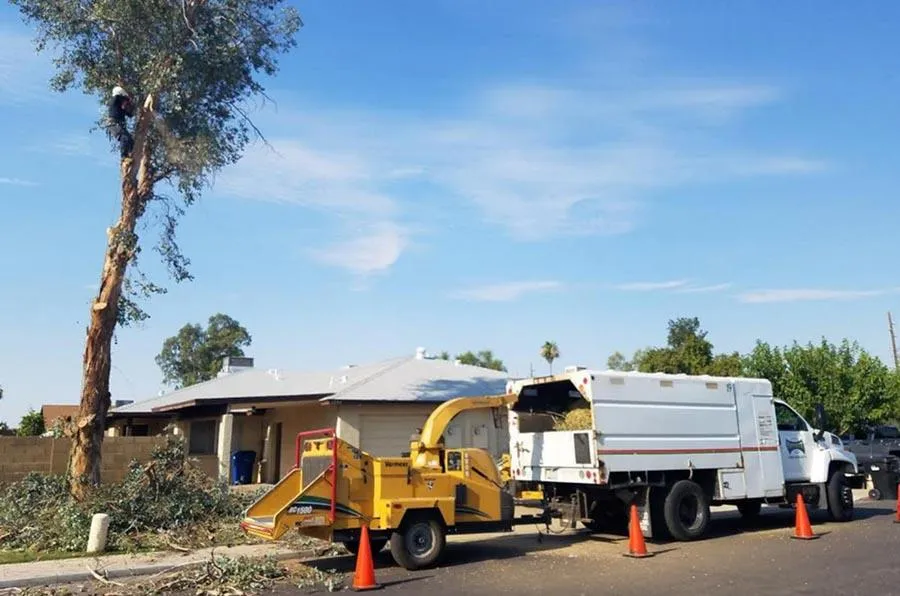
Sometimes, a tree becomes unsafe, unhealthy, or unsuitable for its location. When this happens, professional tree removal may be the best option to protect people and nearby structures. While many trees can be preserved with proper care, certain conditions make removal necessary. At Bassett Tree Service, we provide expert tree removal in the greater Mesa, AZ area. Here’s a look at some of the common situations where professional tree removal is necessary. Dead/Dying Trees One of the most common reasons trees need to be professionally removed is when they are dead or in severe decline. Dead trees gradually lose their structural strength, making them more likely to drop branches or collapse entirely. Over time, the wood becomes brittle and unable to withstand strong winds. A dead tree located near homes, driveways, or walkways can pose a serious safety risk. Professional removal eliminates the hazard before it leads to property damage or injury. Severe Disease or Pest Infestations Trees can sometimes develop diseases or become infested with destructive pests. In some cases, these problems can be treated with proper care. However, when the damage becomes extensive, the tree may not be able to recover. Diseases that cause internal decay can weaken the trunk and branches, increasing the likelihood of structural failure. Removing severely affected trees can also help prevent the spread of disease or pests to nearby healthy trees. Structural Instability or Leaning A tree that begins leaning significantly or shows signs of structural instability may require professional removal. While some trees naturally grow at slight angles, a sudden or worsening lean can indicate root damage or shifting soil. Cracks in the trunk, exposed roots, and lifting soil around the base of the tree may also signal that the tree is losing stability. Interference With Structures or Utilities Sometimes trees grow in locations where they begin to interfere with buildings, sidewalks, driveways, or utility lines. Large roots can damage foundations or pavement, while overgrown branches may extend too close to roofs or power lines. When pruning is not enough to resolve the issue, removal may be the safest and most practical solution. Professional tree removal ensures the work is handled safely while minimizing impact on the surrounding landscape. Tree Removal in Mesa, AZ For expert tree removal in Mesa, AZ and the surrounding area, contact Bassett Tree Service at 480-745-2290 . Feel free to give us a call to request an arborist estimate in Mesa, Phoenix , and the surrounding area!
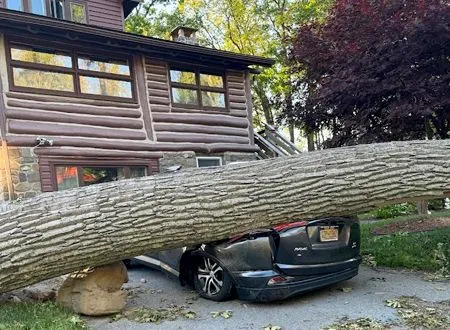
Dead trees can pose serious risks to your property, your safety, and the overall health of your landscape. While a dead tree may seem harmless at first, weakened branches and unstable trunks can quickly become dangerous, especially during high winds. Many homeowners have questions about when removal is necessary and what the process involves. At Bassett Tree Service, our local arborists can answer your questions about dead tree removal in the greater Mesa, AZ area. What Are the Signs that a Tree Has Died? A tree that no longer produces leaves during its growing season is one of the most obvious signs of death. Other indicators include brittle branches that snap easily, peeling or missing bark, deep cracks in the trunk, and fungal growth around the base. You may also notice that the wood beneath the bark appears dry and lacks any of the green that signals life. If you’re unsure, an arborist can evaluate the tree and confirm whether it is truly dead or simply dormant. Why Is It Important to Remove a Dead Tree? Dead trees are structurally unstable and more likely to fall without warning. Large limbs can break off and cause damage to roofs, vehicles, fences, or nearby structures. In some cases, an entire tree can topple during severe weather. Dead wood also attracts pests such as termites, which may consequently spread. What Does the Tree Removal Process Involve? Professional tree removal typically begins with an assessment of the tree’s size, location, and condition. Experts determine the safest method for removal, especially if the tree is near buildings, power lines, or other obstacles. The tree may be removed in sections. Specialized equipment and safety procedures are used to ensure controlled cutting and prevent property damage. Should the Stump Be Removed as Well? After the tree is cut down, the remaining stump can either be left in place or removed. Stump grinding/removal is a common option that allows you to replant or add hardscaping in the area. Leaving a stump behind can create tripping hazards and attract pests. Many homeowners choose stump removal to restore their yard’s appearance and usability. Where Can I Find Dead Tree Removal in Mesa, AZ? For expert dead tree removal in Mesa, AZ and the surrounding area, contact Bassett Tree Service at 480-745-2290 . Feel free to give us a call to request an arborist estimate in Mesa, Phoenix, and the surrounding area!
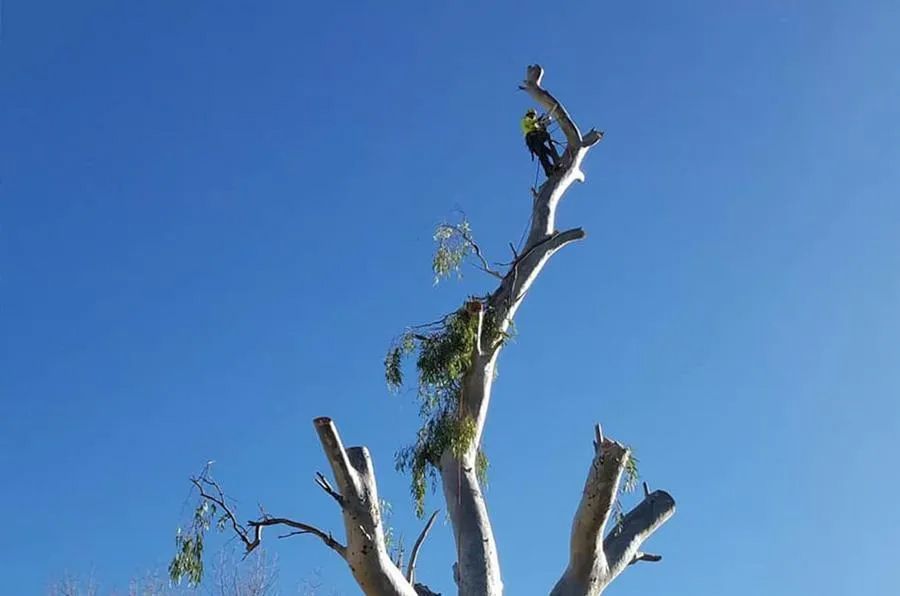
Trees can add much value to a property, but there are times when removal becomes necessary for safety or practical reasons. Because tree removal is a significant decision, homeowners and property managers often have questions about the process and what it involves. At Bassett Tree Service, we’re happy to answer any of your questions about tree removal in the greater Mesa, AZ area. When Is Professional Tree Removal Necessary? Professional tree removal is typically needed when a tree is dead, dying, or severely damaged. Trees that lean dangerously, have large cracks, or show signs of extensive decay are more likely to fail unexpectedly. Removal may also be required when a tree interferes with structures, utility lines, or planned construction. A professional assessment can determine whether removal is the right option. Why Should Tree Removal Be Done by Professionals? Tree removal is hazardous work that requires specialized training and equipment. Attempting to remove a tree without proper expertise can lead to serious injury or property damage. Professional tree service providers know how to safely control the direction of falling limbs and trunks, especially in tight or high-risk environments. Their experience helps ensure the job is completed safely and efficiently. How Is a Tree Safely Removed? The removal process depends on the tree’s size, condition, and location. In many cases, the tree is taken down in sections rather than felled in one piece. Professionals may use ropes, rigging systems, bucket trucks, and other equipment to carefully lower limbs. Each step is planned to protect nearby structures, landscaping, and people. What Happens to the Stump After Removal? After a tree is removed, the remaining stump can be addressed too. Many homeowners choose stump removal, which allows the area to be reused or replanted. Leaving a stump can create tripping hazards and attract pests, so removal is often recommended for safety and aesthetics. Where Can I Find Expert Tree Removal in Mesa, AZ For expert tree removal in Mesa, AZ and the surrounding area, contact Bassett Tree Service at 480-745-2290 . Feel free to give us a call to arrange an arborist estimate in Mesa, Phoenix, and the surrounding area!
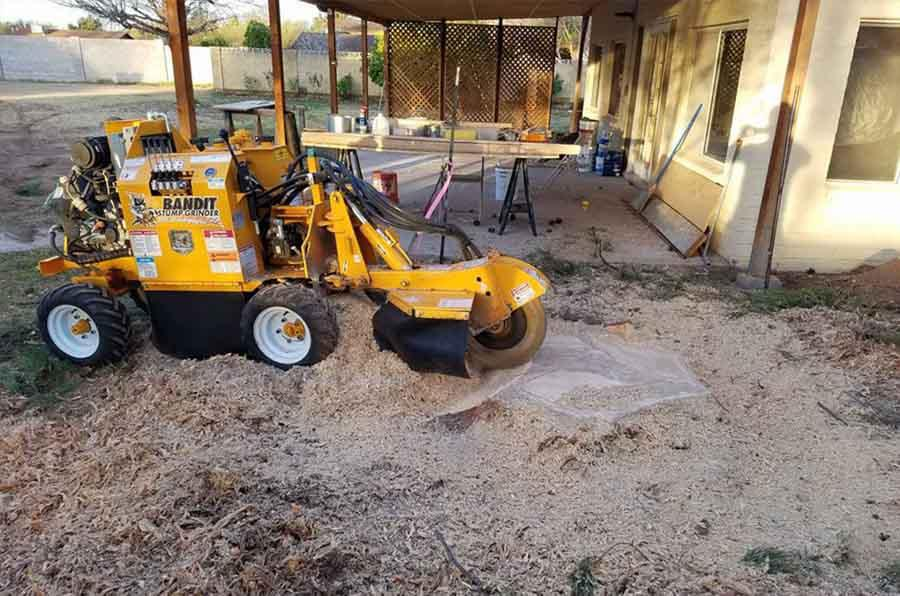
Preparing your home for the real estate market involves more than fresh paint and minor repairs. Your property’s exterior plays a major role in shaping a buyer’s first impression, and overlooked details in the yard can quickly detract from an otherwise attractive home. Tree stumps are one of those features that may seem harmless but can significantly impact how your property is perceived. Removing them before listing your home can make a noticeable difference in both appeal and value. At Bassett Tree Service, we specialize in stump grinding and removal in the greater Mesa, AZ area. Here are four reasons to remove tree stumps before putting your home on the market. Improve Curb Appeal Instantly Curb appeal is critical when attracting potential buyers, and tree stumps often stand out for the wrong reasons. They can make a yard look neglected or cluttered. Removing stumps creates a cleaner, more polished landscape that helps buyers focus on the positive features of your property. A smooth, open yard signals that the home has been well cared for, which can set the right tone before buyers even step inside. Make the Yard Feel Larger and More Usable Tree stumps take up valuable space and limit how buyers imagine using the yard. Without stumps, outdoor areas feel more open and versatile, allowing buyers to envision gardens, patios, play areas, or entertainment spaces. A usable yard is a major selling point, and removing stumps helps showcase the full potential of the property’s outdoor space. Eliminate Safety Hazards Exposed tree stumps can pose tripping hazards, especially for children and elderly visitors. Buyers touring the property may see stumps as a liability that needs immediate attention. Removing them reduces the risk of accidents and demonstrates that safety has been prioritized. Prevent Pest and Decay Issues Old tree stumps can attract unwanted pests such as termites and ants. As the stump decays, it can also promote fungal growth that may spread to nearby healthy trees or plants. Buyers may worry about hidden pest problems or future landscaping issues. Removing stumps eliminates these risks and provides peace of mind to prospective homeowners. Stump Grinding & Removal in Mesa, AZ For expert stump removal in Mesa and the surrounding area, contact Bassett Tree Service at 480-745-2290 . Feel free to give us a call to arrange an arborist estimate in Mesa, Phoenix, and the surrounding area!
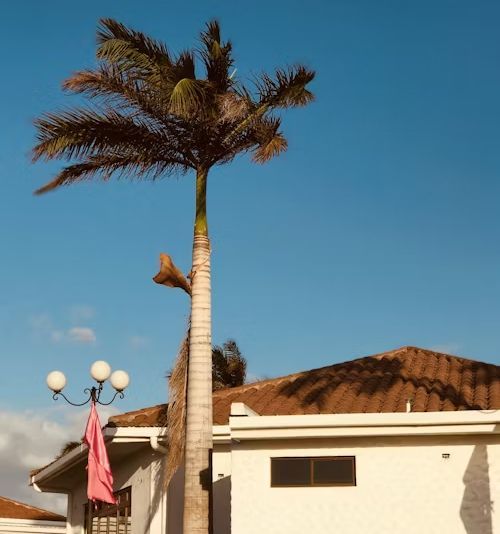
When a tree becomes unstable, it can quickly turn into a serious safety hazard. A tree that is at risk of falling on your home can cause major structural damage and put your family in danger, especially during storms or high winds. Recognizing early warning signs can help you take action before the situation becomes increasingly hazardous. At Bassett Tree Service, we provide expert tree removal in the greater Mesa, AZ area. Here are four signs that a tree may be at a heightened risk of falling on your home. Significant Leaning or Sudden Tilting A tree that leans naturally may still be structurally sound, but a new or worsening lean is a major red flag. Sudden tilting often indicates that the root system is failing or that the soil has shifted, reducing stability. If the tree leans toward your home, the risk is even greater. This type of instability can worsen quickly and should always be evaluated by a professional to determine whether removal or corrective action is needed. Cracks, Splits, or Decay in the Trunk The trunk supports the entire tree, so structural problems here are especially concerning. Deep cracks, large vertical splits, or areas of rotting wood significantly weaken the tree’s stability. Hollow sections and soft wood also signal decay inside the trunk. When a tree’s main support system is compromised, it becomes far more likely to collapse under its own weight or during strong winds. Root Damage/Uprooting Healthy roots anchor the tree firmly in the ground. When the roots are damaged by construction, soil compaction, erosion, or disease, the tree becomes unstable. Signs of root trouble include exposed roots, soil heaving, or visible lifting on one side of the tree. In severe cases, you may notice the tree beginning to uproot. A tree with root damage is at high risk of falling and should be addressed promptly to avoid a dangerous situation. Cavities or Fungal Growth at the Base The base of the trunk provides essential support. Cavities or fungal growth near the base often indicate decay that has compromised the tree’s foundation. When the lower trunk is weakened, the entire tree becomes unstable. Tree Removal in Mesa, AZ For expert tree removal in Mesa and the surrounding area, contact Bassett Tree Service at 480-745-2290 . Feel free to give us a call to request an arborist estimate in Mesa, Phoenix, and the surrounding area!